//pragmatic leaders

Signals

What to learn from the market. What to use from the Library.

sort
topics
1 / 4

Datris adds scoped identity and policy controls to AI data control plane

Datris released an update to its open-source data control plane for AI agents that adds credential brokering, isolated script execution, per-action policy, audit logging, row-level provenance, and automated recovery. These features allow AI agents to acquire and use production data securely without holding broad credentials or running unsupervised code, enabling teams to maintain control and accountability as they move AI agents into production.

operations signalMartechseries · Sep 23, 2026
Read source
Open analysisAskPL about this
1 / 4

ai·rete·rag separates decision logic from explanation with Rete engine and RAG LLM

ai·rete·rag runs a deterministic Rete rule engine first to evaluate YAML rules and produce consistent verdicts with salience-based conflict resolution. Then, a retrieval-augmented generation LLM retrieves passages from policy documents and writes plain-English explanations citing those passages without changing the verdict. The system supports nested rules, forward chaining, and audit mode recording every evaluated rule with snapshots for replay. Non-technical authors can create rules via a visual editor or get LLM-drafted rules from policy documents, with drafts requiring review.

operations signalAi Rete Rag · Sep 22, 2026
Read source
Open analysisAskPL about this
1 / 4

Retailers tailor prices with personal data and ML

The Future of Privacy Forum's 2026 report details how retailers increasingly use personal data and sophisticated algorithms to set individualized prices in real-time. This practice, called data-driven pricing, can create unexpected or unfair price disparities among consumers.

pricing signalFpf · Sep 22, 2026
Read source
Open analysisAskPL about this
1 / 4

MiniMax open-sources fastest, most efficient Code CLI

MiniMax released Code CLI v0.4.12 as open source under the MIT license. The tool achieved a 76.7% pass rate on FrontierHarness Eval, the highest recorded, and completed tasks with a median time of 4 minutes 33 seconds, making it the fastest agent. It also used the second-lowest token count among competitors, reducing operational costs.

product signalStartupresearcher · Sep 21, 2026
Read source
Open analysisAskPL about this
1 / 4

Red Hat open sources AI-assisted agentic threat modeling module

Red Hat released agentic-threat-modeling, an open source Lola module that profiles likely attackers and writes narrative attack scenarios grounded in real code. It checks code against six structured threat modeling frameworks and runs identically across multiple AI coding platforms, enabling engineers to self-serve threat modeling without waiting for security team review queues.

Read source
Open analysisAskPL about this
1 / 4

XConnect bundles FreeRDP with SSH and SFTP in one Flutter mobile app

XConnect developer compiled FreeRDP into a Flutter app that supports SSH, Telnet, SFTP, and RDP on iOS and Android. The app includes mobile-specific UI features like a key row for phone keyboards and touch gestures for RDP. Credentials are securely stored and encrypted before syncing, though login is not yet zero-knowledge. The app offers free SSH/Telnet/SFTP and a pro tier for RDP, AI agent, and sync.

Read source
Open analysisAskPL about this
1 / 4

Kaflow Search launches local Kafka message indexing desktop tool

Kaflow Search released a desktop application that indexes Kafka messages locally on user machines, enabling direct search by partition and offset without requiring ELK, Kafka Connect, or ksqlDB. It reads messages only and does not alter Kafka cluster state, targeting developers who want to avoid the cost and complexity of server-side Kafka search infrastructure.

Read source
Open analysisAskPL about this
1 / 4

Silent tool-call failures cause over 3% request errors in production RAG chatbot

A commercial RAG chatbot logged over 3.2% of requests failing due to tool-call errors like timeouts and spec breaks. These errors were caught and hidden by the agent wrapper, returning fallback messages silently and preventing upstream visibility.

Read source
Open analysisAskPL about this
1 / 4

Omni evolved from enterprise search to AI agent with unified Postgres backend

Omni started as an enterprise search system but evolved into an AI agent that connects to workplace apps like Google Drive, Jira, Slack, and Docs. It gathers context, analyzes data, and executes tasks such as creating project status decks. Omni uses Postgres with extensions for BM25 and semantic search, avoiding the need for separate search or vector databases.

Read source
Open analysisAskPL about this
1 / 4

Rebuno open-sources a runtime enforcing AI agent execution policies

Rebuno released an open-source runtime that manages execution state and guardrails for AI agents across multiple frameworks. It dispatches work via signed webhooks, evaluates per-agent YAML policies before tool and model calls, and records all decisions and outcomes in an append-only event log. It supports retries for safe tools and human approval gating.

Read source
Open analysisAskPL about this
1 / 4

Replay built zero-dependency local CLI in Go to reduce friction

Replay chose Go over Python to build a zero-dependency local CLI binary, avoiding Python virtual environments, pip dependency drift, and Docker runtimes that add friction for engineering leads and security auditors. The tool also has no telemetry or remote tracking, ensuring local sandboxing and auditability.

Read source
Open analysisAskPL about this
1 / 4

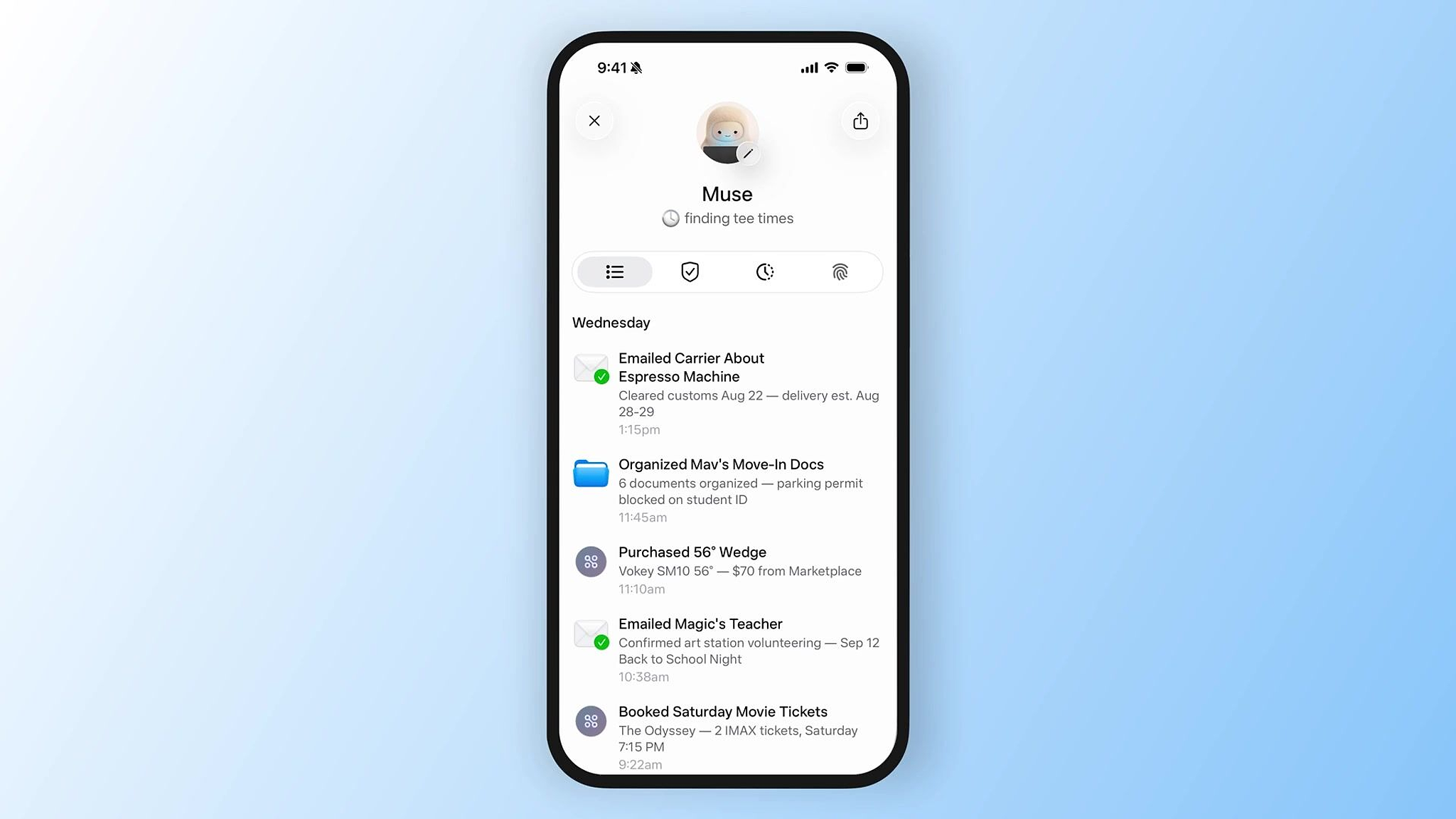
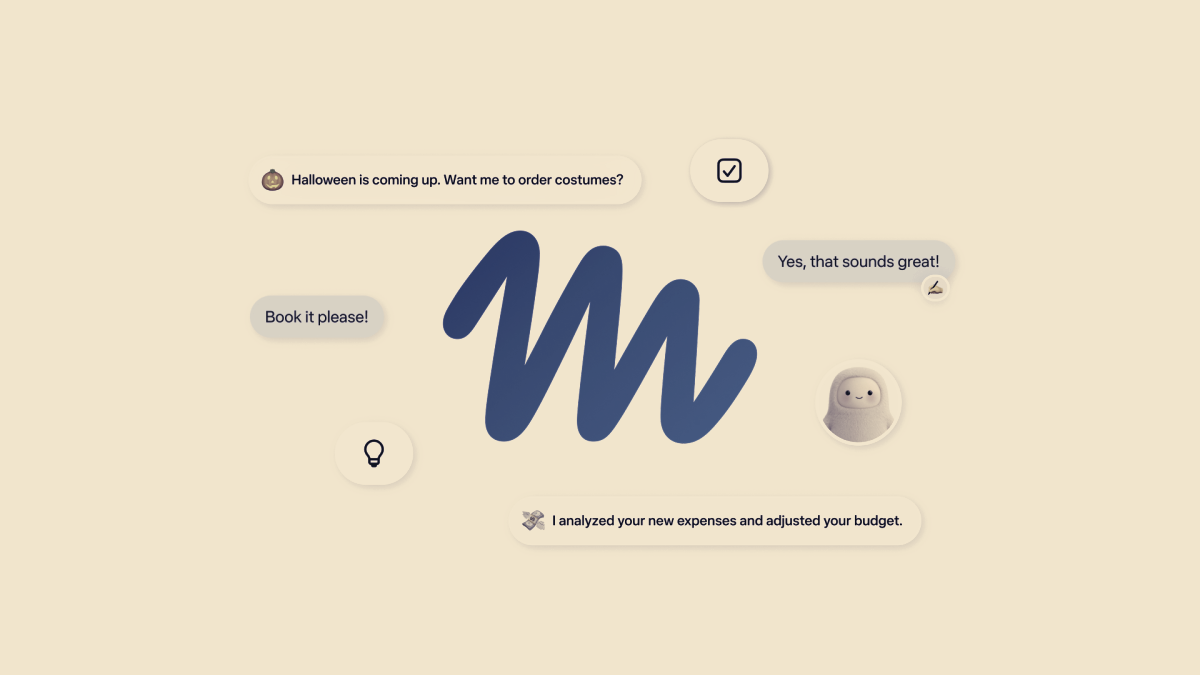
Meta launches Muse as an autonomous personal AI agent

On September 8, 2026, Meta launched Muse, a personal AI agent that autonomously books travel, sends emails, negotiates bills, and makes purchases through connected accounts. It is available on iOS, Android, web, and WhatsApp, running on Muse Spark 1.3 inside an isolated virtual machine.

Read source
Open analysisAskPL about this
1 / 4

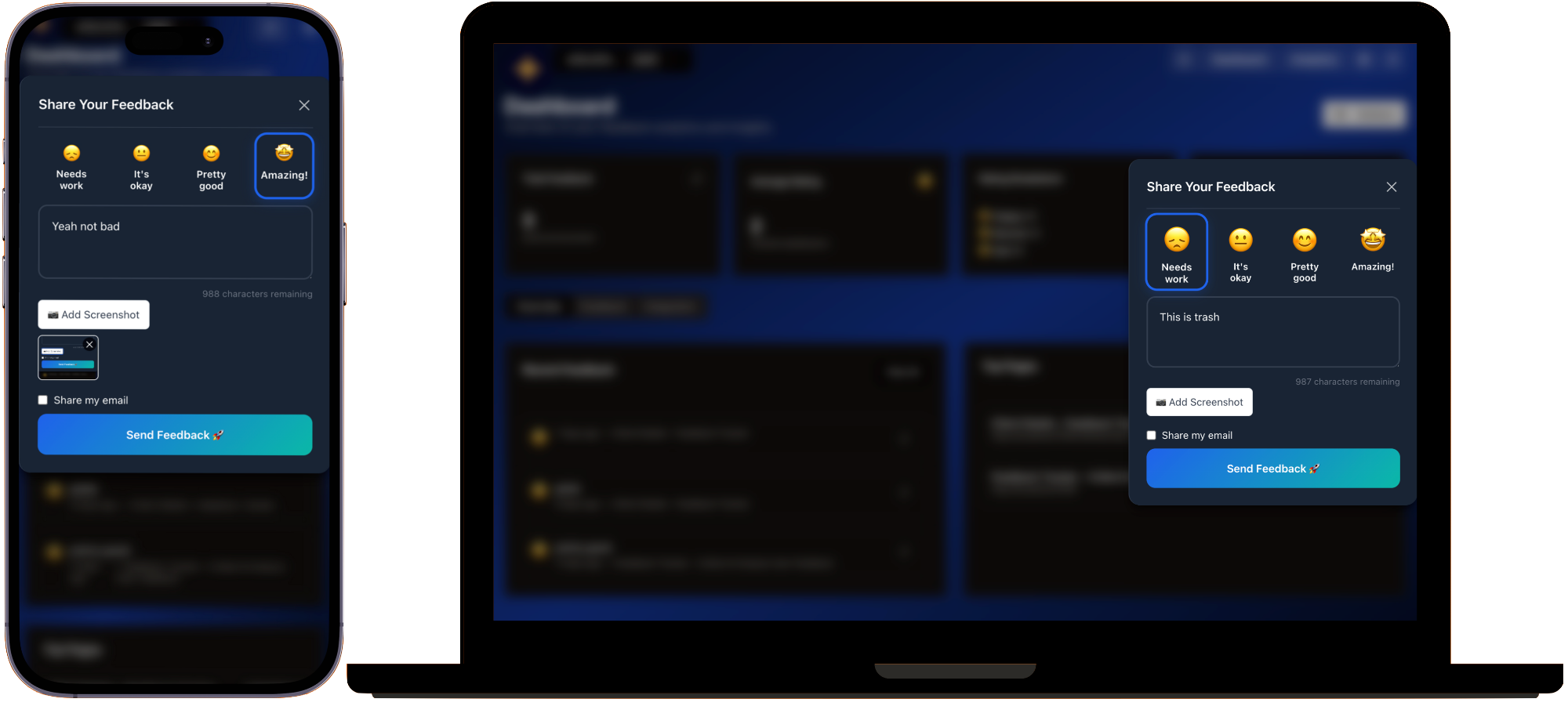
Usero added MCP server to cluster feedback and automate AI PRs

Usero deployed an MCP server in front of its feedback tool, enabling clustering of user feedback with verbatim quotes and AI-generated pull requests connected to repos. This integration supports 36 tools and is included in all pricing tiers.

Read source
Open analysisAskPL about this
1 / 4

Zscaler automates incident response to reduce investigation time and engineer load

Zscaler, operating the world's largest zero-trust security cloud, automated the aggregation of operational signals from logs, dashboards, metrics, and change events during incidents. This automation cut root cause investigation time by 75% and reduced the number of engineers needed per incident by 30%, improving reliability and productivity in a complex, high-scale environment.

Read source
Open analysisAskPL about this
1 / 4

Meta launches Muse with per-user isolated VMs and approval gate

Meta launched Muse, a personal AI agent that handles email, bookings, and payments, running each user in an isolated virtual machine. Outbound connections require approval by a separate program called Sentinel. This architecture aims to build trust by design and limit data exposure.

Read source
Open analysisAskPL about this
1 / 4

Meta launches Muse AI agent demanding deep personal data access days after $18B privacy settlement

Meta released Muse on September 8, 2026, an AI assistant that integrates with users' email, calendar, payment cards, and smart-home devices to automate tasks. This launch came just 13 days after Meta finalized a multistate $18 billion settlement over child safety claims. Muse operates inside a 'Secure VM' isolating user credentials and uses a Sentinel system to approve internet communications, but Meta's VP admitted the company could technically access user data internally.

Read source
Open analysisAskPL about this
1 / 4

Revliu launches multi-touch attribution linking acquisition to revenue

Revliu assigns anonymous IDs to visitors, tracks their sessions and touchpoints, and connects these to customer signups and Stripe payments. This enables full-funnel attribution from acquisition through revenue, providing insights into which campaigns generate paying customers.

Read source
Open analysisAskPL about this
1 / 4

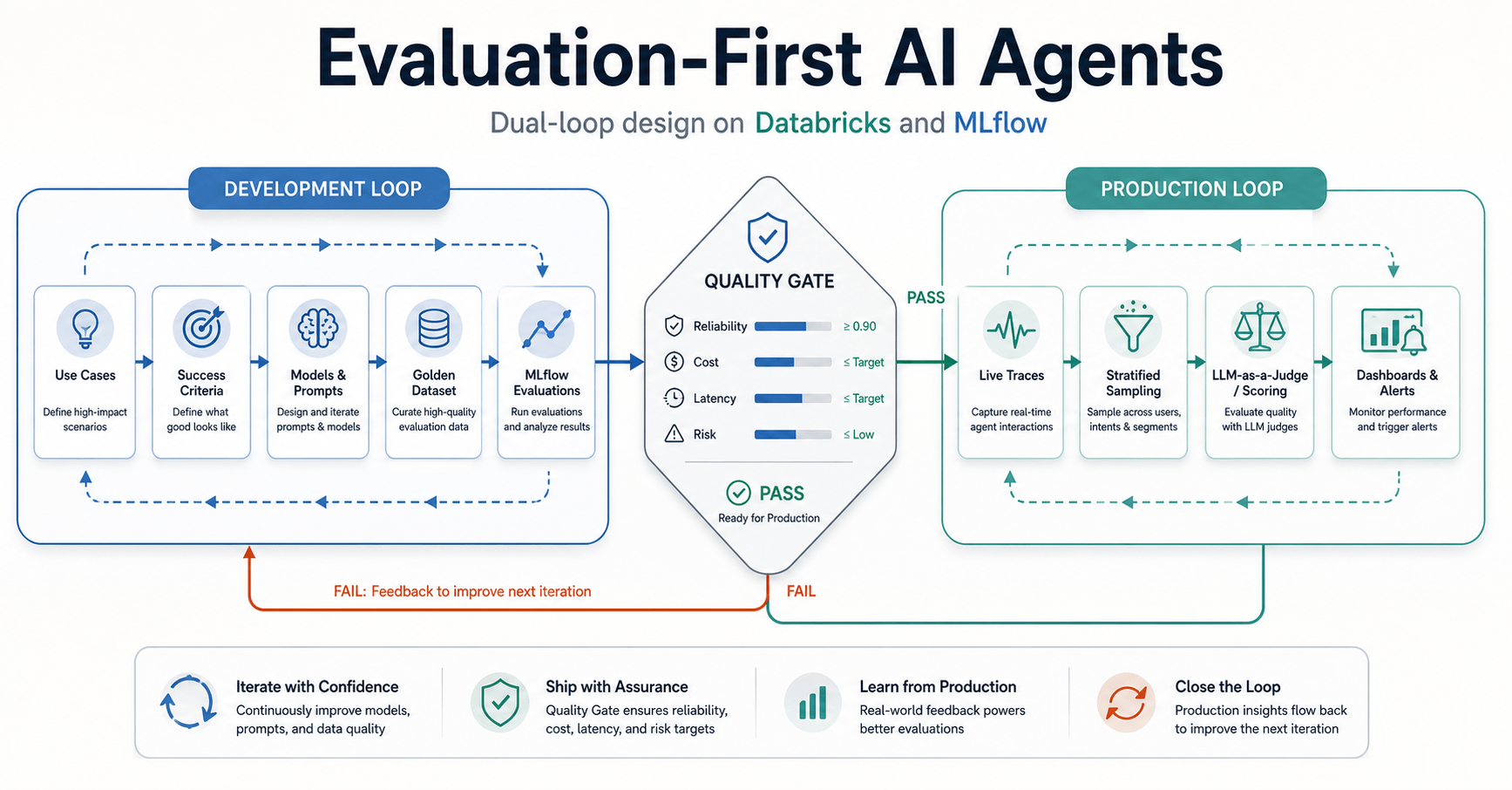
Zepto scales AI customer support with evaluation-first dual-loop architecture

Zepto, a fast-growing quick-commerce platform, processes over 100,000 support tickets daily using multi-agent AI. To maintain reliability as volume and complexity grew, Zepto partnered with Databricks to implement an evaluation-first dual-loop architecture on Databricks and MLflow. This system uses traces, golden datasets, and LLM-as-judge evaluations as core infrastructure, creating a strict quality gate between development and production.

Read source
Open analysisAskPL about this
1 / 4

Meta launches Muse personal AI agent with pricing and permission controls

Meta launched Muse in the U.S., a personal AI agent that works across connected services from a dedicated cloud VM. It offers free, $20, and $100 monthly tiers and requires user approval before sensitive actions like sending emails or making purchases.

Read source
Open analysisAskPL about this
1 / 4

Meta launched Muse personal AI with broad data access and paid tiers

Meta launched Muse, a personal AI assistant that connects to users' email, calendars, payments, health apps, and more. Users must grant access to these sensitive services and provide a payment card for tiered subscription plans. The product includes a Secure VM and Sentinel agent for security. Meta's recent $18 billion multistate settlement heightens scrutiny on this data-intensive product.

Read source
Open analysisAskPL about this
1 / 4

Roadmaps are arguments, not calendars

A roadmap lesson becomes useful only when it changes how a PM explains sequence, risk, and evidence.

product lessonJun 17, 2026
Open lesson
Open analysisAskPL about this
1 / 4

AI is not a feature

AI product lessons should start from changed defaults, trust boundaries, and model behavior, not tool names.

ai strategy lessonJun 17, 2026
Open lesson
Open analysisAskPL about this
1 / 4

Pricing is a rule users have to understand

Pricing lessons should teach rule legibility, support scripts, and behavior change, not only monetization mechanics.

pricing lessonJun 17, 2026
Open lesson
Open analysisAskPL about this
1 / 4

Cases test tradeoffs, not memorized frameworks

Case practice is valuable when it trains users to take a position under ambiguity.

leadership lessonJun 17, 2026
Open lesson
Open analysisAskPL about this
1 / 4

Agent memory is a liability until it is governed

Tool and memory design needs product judgment around what an agent should remember, forget, and expose.

ai strategy lessonJun 17, 2026
Open lesson
Open analysisAskPL about this
1 / 4

Apple delayed Siri because the architecture could not carry the promise.

Personalized Siri was supposed to show Apple Intelligence inside the platform. Apple delayed it while reworking the architecture needed to meet the quality bar users associate with Apple.

Read source
Open analysisAskPL about this
1 / 4

Duolingo put AI practice where learners freeze.

Video Call with Lily gave Max subscribers a way to practice conversation inside an existing habit loop. The important part was not AI in general. It was where the AI landed.

ai strategy signalDuolingo Investor Relations · Sep 24, 2024
Read source
Open analysisAskPL about this
1 / 4

Threads opened a door to the fediverse without giving up the house.

Meta expanded Threads sharing into decentralized social servers. The move signaled openness while keeping the core graph, product defaults, and mainstream UX inside Threads.

Read source
Open analysisAskPL about this
1 / 4

Search put AI answers in the authority seat.

AI Overviews reached a high-trust search surface, then strange public examples made the product story about whether the answer box had earned its confidence.

ai strategy signalAssociated Press · May 31, 2024
Read source
Open analysisAskPL about this
1 / 4

Spotify ended the product after customers had bought it.

Car Thing had already been discontinued as a business. The sharper story came later: Spotify said paid devices would stop working, turning a hardware exit into a trust event.

operations signalTechCrunch · May 23, 2024
Read source
Open analysisAskPL about this
1 / 4

The voice demo became the trust surface.

GPT-4o made the product feel emotionally present. Then OpenAI paused Sky while the public question shifted from capability to likeness, consent, and how human an AI product is allowed to feel.

Read source
Open analysisAskPL about this
1 / 4

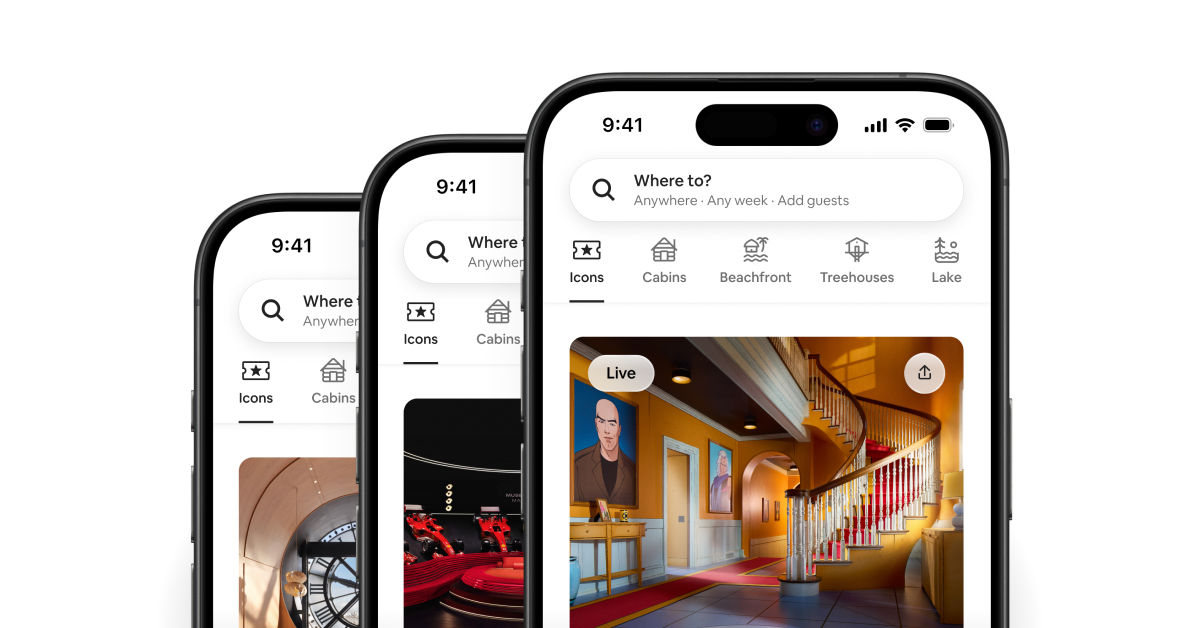
Airbnb made culture bookable.

Icons turned celebrity, film, music, and cultural moments into limited stays and experiences. It looked like marketing, but the move put brand desire inside the marketplace inventory.

Read source
Open analysisAskPL about this
1 / 4

Sonos said the new app would make listening easier.

The launch promise was clear: one customizable Home screen, faster access to content, and system controls just a swipe away. This was framed as modernization, not a risky reset.

Read source
Open analysisAskPL about this
1 / 4

Reddit changed API pricing and Apollo could not survive it.

The business needed to capture platform value before IPO. The product consequence was that a loved third-party client and the ecosystem around it learned the partnership terms had changed.

Read source
Open analysisAskPL about this
1 / 4

Netflix turned tolerated sharing into a paid rule.

Password sharing moved from informal behavior to an enforceable household model. The unpopular part was obvious. The product craft was making the new rule legible enough to survive anger.

Read source
Open analysisAskPL about this